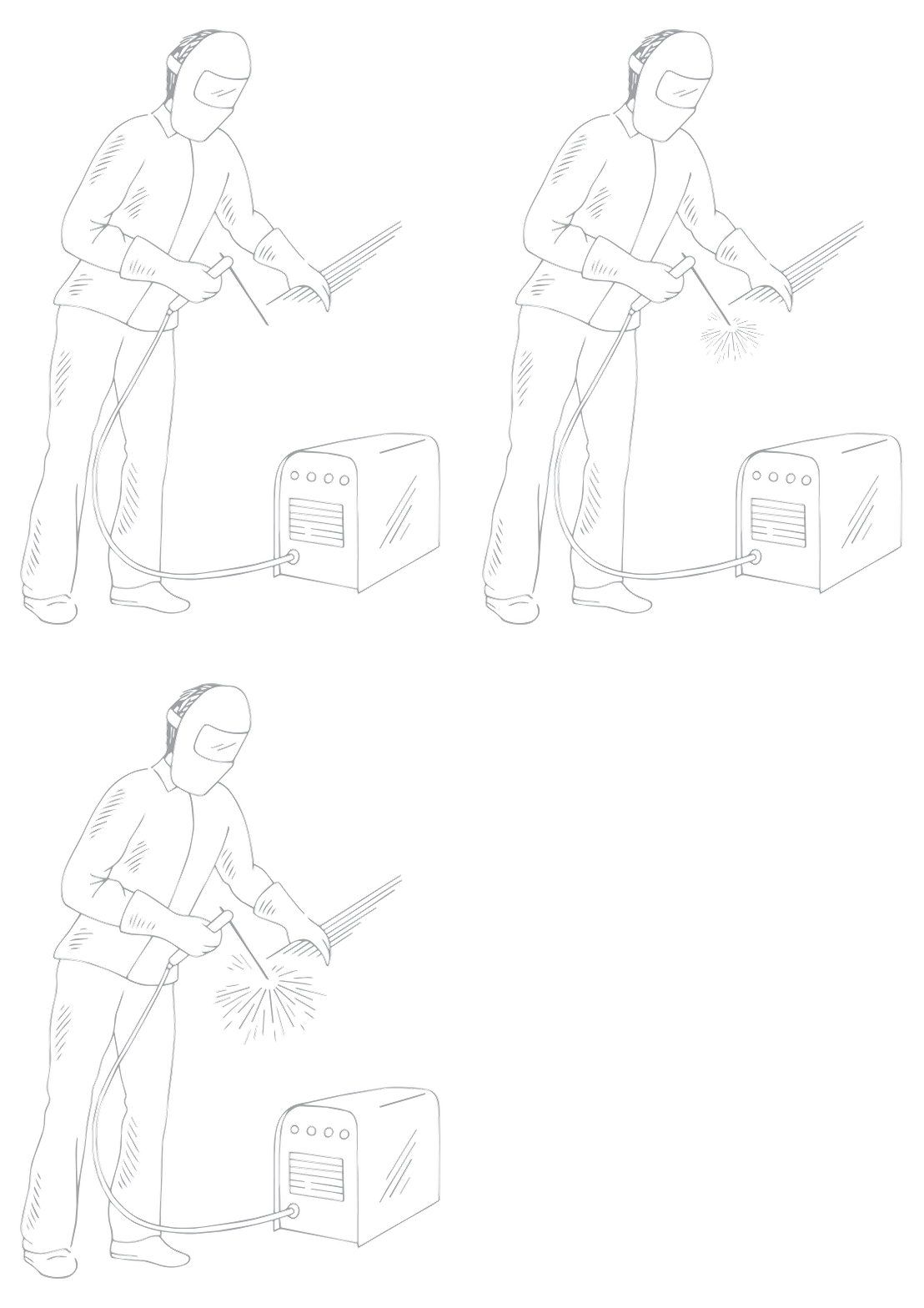




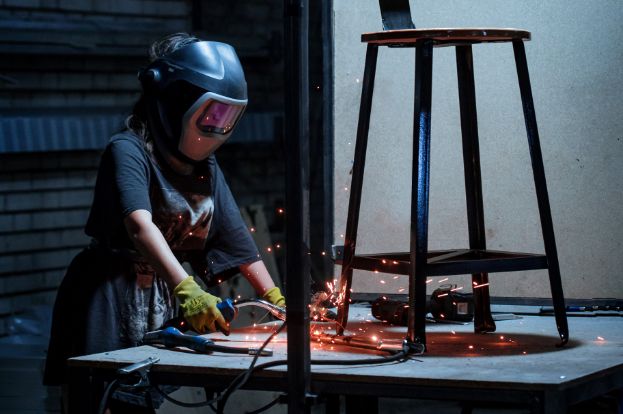
In the realm of maintenance welding, precision and reliability are paramount. Whether repairing crucial infrastructure or restoring industrial equipment, the choice of welding electrodes can make all the difference. But with a plethora of options available, navigating this landscape can be daunting. Fear not! This ultimate guide is your compass through the world of maintenance welding electrodes, illuminating the path towards selecting the perfect tools for the job.
Understanding Maintenance Welding Electrodes
Maintenance welding electrodes serve as the lifeblood of repair and restoration endeavors. Designed to address a myriad of challenges, these electrodes come in various compositions and classifications. From mild steel to stainless steel, each type boasts unique properties tailored to specific applications. Understanding these distinctions is the first step towards choosing the right electrode for the task at hand.
Key Considerations for Selection
Selecting the optimal maintenance welding electrode hinges on a multitude of factors. Material compatibility, welding position, and desired mechanical properties all play pivotal roles in the decision-making process. Additionally, considerations such as deposition rate, penetration depth, and post-weld cleanup must also be taken into account. By meticulously evaluating these parameters, welders can pinpoint the ideal electrode to meet their precise requirements.
Types of Maintenance Welding Electrodes
- Mild Steel Electrodes: Versatile and cost-effective, mild steel electrodes are ideal for welding low to medium carbon steels. With excellent deposition rates and ease of use, they excel in a wide range of applications, from structural repairs to fabrication projects.
- Stainless Steel Electrodes: Engineered to withstand corrosion and oxidation, stainless steel electrodes are indispensable in environments prone to chemical exposure. Whether repairing pipelines or fabricating machinery, their superior resistance to rust makes them indispensable assets in maintenance welding arsenals.
- Hard facing Electrodes: When it comes to combating wear and abrasion, hard facing electrodes reign supreme. Comprised of high-alloy materials such as chromium and tungsten, these electrodes form durable overlays that shield against the ravages of friction and erosion. From agricultural implements to mining equipment, their ability to extend the lifespan of critical components is unparalleled.
- Cast Iron Electrodes: Renowned for their ability to repair cast iron components, these electrodes offer a unique blend of strength and ductility. Whether restoring engine blocks or repairing machinery, they provide a reliable solution for addressing cracks and defects in cast iron structures.
- Nickel Electrodes: Designed to join dissimilar metals and provide exceptional corrosion resistance, nickel electrodes are indispensable in industries where compatibility is paramount. From marine applications to chemical processing plants, their ability to forge robust bonds across a spectrum of materials makes them invaluable assets in maintenance welding operations.
Tips for Success
- Consultation: When in doubt, seek guidance from welding experts or manufacturers to ensure optimal electrode selection.
- Pre-weld Preparation: Proper cleaning and preheating of the work piece are crucial for achieving quality welds and minimizing defects.
- Technique Mastery: Practice proper welding techniques to maximize efficiency and weld integrity.
- Post-weld Inspection: Conduct thorough inspections to verify weld quality and address any imperfections promptly.
Conclusion
In the realm of maintenance welding, the choice of electrodes can spell the difference between success and failure. By understanding the nuances of different electrode types and adhering to best practices, welders can elevate their craft to new heights of precision and reliability. Armed with the knowledge gleaned from this ultimate guide, they can navigate the vast expanse of maintenance welding electrodes with confidence, selecting the perfect tools for every welding challenge that comes their way.